

Teenagers face challenges on multiple fronts:
- Divorced parents
- Bullying
- Social media pressure
- The influence of the internet
- The need for acceptance
- Finding true friends
- Struggles in school
- Hormonal changes
- Mixed and overwhelming emotions
Let’s begin with one of the most common and emotionally complex challenges: living in a home where parents are divorced.
When Your Parents Are Divorced
Create Structure for Yourself
Structure brings stability—especially when life feels divided. The Oxford Dictionary defines structure as: “construct or arrange according to a plan; give a pattern or organization to.” In simple terms, structure is creating order where you can.
You might not control which house you’re in, but you can control:
- How you organize your belongings (a storage box or dedicated space just for you). •
- When you do your homework.
- How you manage your time.
- Where do you study best—at home, at school, or in a study group?
Be Honest—But Respectful
I don’t know your parents or step-parents. But I do know this: how you say something is just as important as what you say. If decisions are being made that affect you negatively, consider arranging a family meeting. Yes—a proper one. Set a time. Prepare what you want to say. Speak calmly and clearly.
Avoid shouting or being disrespectful—once that happens, your message gets lost. Listen to their side. Compromise where you can. Aim for a win-win solution. But here’s something very important: You are not the peacekeeper.
If you are between 13 and 18, you are not responsible for keeping the adults happy or fixing their relationship. That is not your role. Your responsibility is to express yourself respectfully and honestly. The rest belongs to them.
Get to Know Your Parents
This might sound strange, but do you really know your parents? • What was their childhood like?
- Why did they divorce?
- What pressures do they face at work?
- What are their dreams—for themselves and for you?
- What’s their favourite food?
- What do you love about them?
Know yourself ( The most important one)
If you randomly feel like crying—or suddenly feel angry for no clear reason—it might be your hormones doing their thing. That doesn’t make you weak. It makes you human. Give yourself grace. Cry if you need to. Scream into a pillow. Go for a run. Write your thoughts down. But try—really try—not to take it out on someone else.
Beyond hormones, ask yourself:
- What makes me happy?
- What makes me sad?
- What do I enjoy doing?
- What are my goals this week? This month? This year? You don’t need a perfect five-year plan. Start small.
- Build structure that works for you.
- Communicate better with your parents.
- Recognize when you need space.
- Understand when you might need help.
Final Thoughts
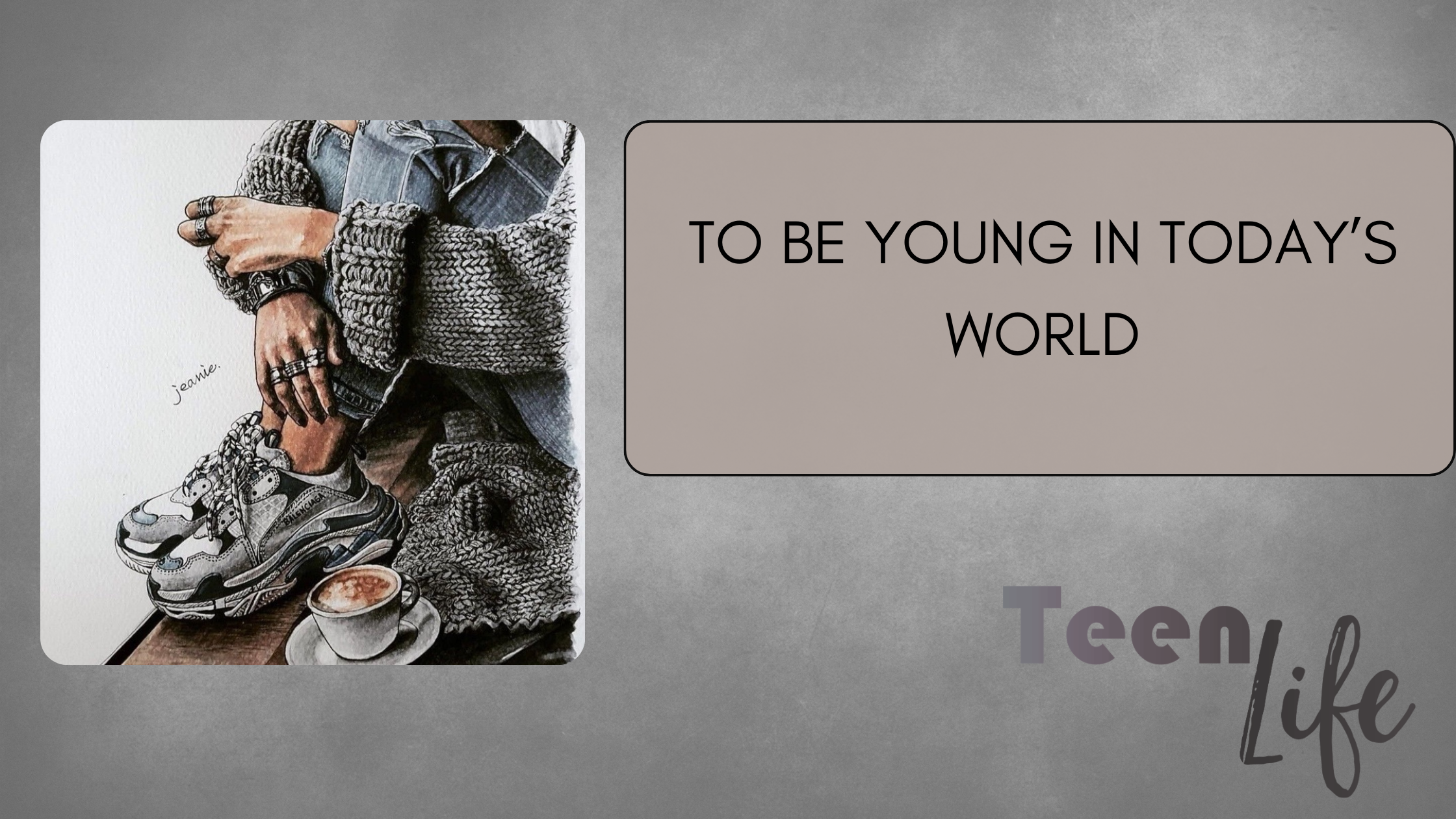
Being young in today’s world comes with unique challenges—but also incredible opportunities. You are living in a time where information, growth, and connection are more accessible than ever before.
Yes, it’s overwhelming at times.
Yes, it’s messy.
Yes, it’s emotional.
But you are stronger than you think. For now, take a deep breath. Create your structure. Speak your truth respectfully. Get to know your parents. Most importantly—get to know yourself. You can do this.